The Social Hangover: Why Flexibility is the Ultimate Home Ed Superpower
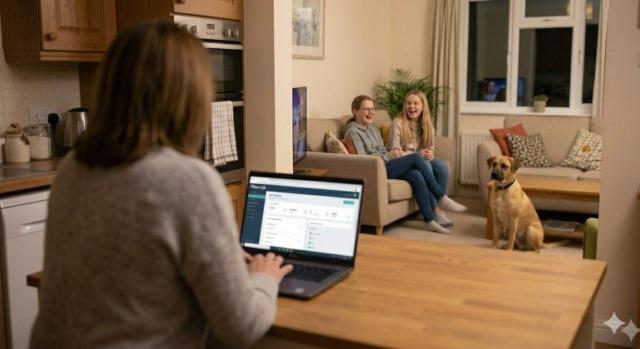
There is a specific kind of magic in hearing your child’s genuine, unmasked laughter filling the house. After the heavy, quiet months of burnout, that sound is an absolute tonic.
This past week has been a massive win for us on the social front. When you leave mainstream school, one of the biggest anxieties is the "S" word: Socialisation. But we are learning that socialising outside the school gates is actually far more organic, and far less pressured.
Finding Our People
This week, Ash made a new friend. We connected with another family who is right at the beginning of their home education journey. There is an instant, unspoken solidarity when you meet another parent who is navigating those early, scary days of deregistration. I made a friend in the mum, and Ash made a friend in the daughter.
There are no forced group activities or awkward icebreakers. Our plan moving forward is delightfully simple: we are just going to meet up from time to time and let them chill together. To top it all off, Ash got back in touch with an old friend from school. They spent the whole day hanging out, and the house felt so wonderfully alive.
The Neurodivergent "Social Hangover"
Here is the reality of the AuDHD brain, though: even when socialising is brilliant, fun, and entirely positive, it is still a massive drain on the social battery. Processing conversations, reading the room, and just being around other people takes a huge amount of cognitive energy.
By Sunday evening, it was clear that while Ash’s heart was very full, her nervous system was entirely tapped out. She was experiencing a "social hangover."
The Monday Shuffle
If you’ve been following our journey, you know our golden rule: Mondays and Tuesdays are for the heavy lifting. We usually tackle the intense subjects - like Maths and Science - right at the start of the week when she is fresh.
But this morning, we looked at the schedule, and we looked at Ash, and we made a choice. We are shuffling the lessons.
If she tries to tackle complex processing today, it will end in tears and frustration. So, we are moving the heavy subjects to later in the week and giving her a lighter day today. We are prioritising her need to properly regulate her nervous system over the need to tick a box on a timetable.
This is the exact reason we built Plan-Ed the way we did. The rhythm has to serve the child, not the other way around.
If your kids had a big, overwhelming weekend (even a happy one!), give yourself permission to hit pause. Shuffle the lessons. The curriculum isn't going anywhere, but their mental health has to come first.
Written by a Home Ed Family
Building Plan-Ed to help our daughter navigate her day. Join us to get early access to the tools we use.
Join the Waitlist