Beyond "Just Ask": Why Proactive School Accommodations for Autistic Students Matter
Imagine a classroom where an autistic student has a provision in their Individual Education Plan (IEP) stating they can use noise-cancelling headphones or take a sensory break whenever needed. Sounds great on paper, right?
The system is set up, but there is one major catch: the provision relies entirely on the child raising their hand and asking for it in front of their peers.
For many autistic children, especially those struggling with low self-esteem and social anxiety, this isn't just difficult - it is impossible. As a parent, you realise very quickly that this type of passive school accommodation for autism is actually counterintuitive.
The Crippling Weight of Masking and High Social Demand
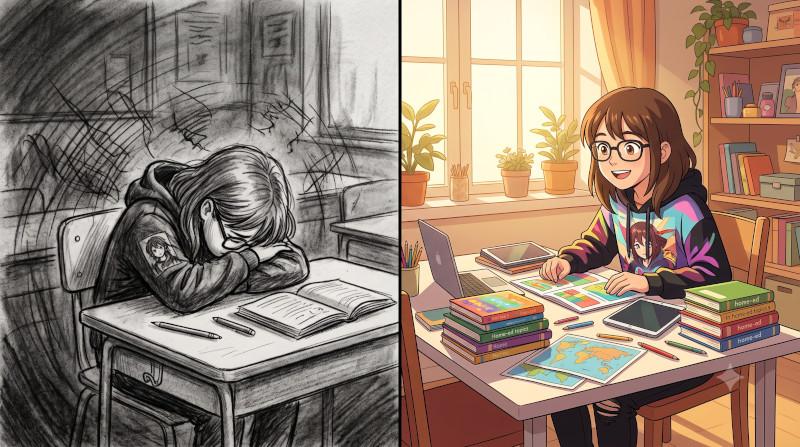
Consider a child like Ash. Ash wanted to be just like everyone else. She was scared of being noticed, scared of being different, and spent every ounce of mental energy masking autism symptoms just to survive the school day.
Asking an anxious, masking child to publicly announce that they are struggling is a paradox. Here is why:
- Fear of Judgement: For a child already low on self-esteem, drawing attention to themselves to use a "special" provision feels like painting a target on their back.
- Executive Dysfunction: When a child is nearing sensory overload, the ability to formulate a request and approach a teacher can shut down.
- The Goal is Conformity: If the child's general goal is to "blend in," a system that requires them to "stand out" to get help is doomed to fail.
By the Time They "Look" Like They Are Struggling, It’s Too Late
The biggest failure in this model of support is the timing. School staff often assume that if a child isn't asking for help, they don't need it.
However, a child who masks is like a pressure cooker. They might look calm on the outside, but the pressure is building.
By the time the child outwardly "looks" like they are struggling - perhaps they are crying, shutting down, or having a meltdown - the useful window for the ASD provision has closed.
A sensory break is useful before the overload occurs, not as a reactive measure once the damage is done.
Accommodations are meant to level the playing field, not become another hurdle the child has to jump over.
Moving from Reactive to Proactive School Support
If your child’s school provisions for ASD rely heavily on them asking for help, it is time to renegotiate the implementation strategy.
We need to move away from reactive, child-led advocacy towards proactive, adult-led implementation.
- Scheduled Breaks: Don't wait for the child to ask. Sensory breaks should be built into the timetable.
- Non-Verbal Signals: Use a discreet coloured card system on the desk so the child doesn't have to speak to get help.
- Teacher Check-ins: Instruct staff to offer provisions discreetly to the child at regular intervals.
See how Plan-Ed is designed to be Neurodivergent friendly for children
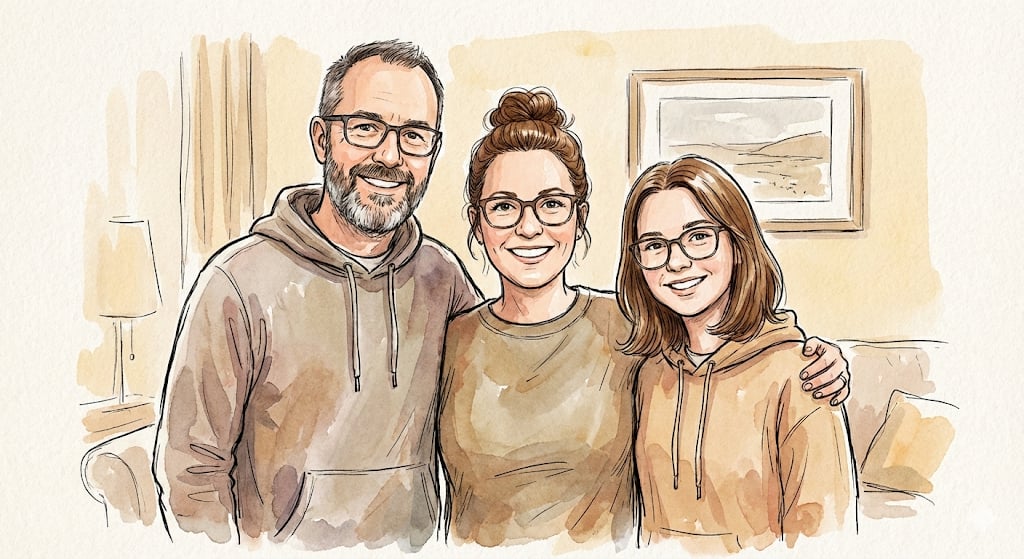
Written by a Home Ed Family
Building Plan-Ed to help our daughter navigate her day. Join us to get early access to the tools we use.
Start your Free Trial today