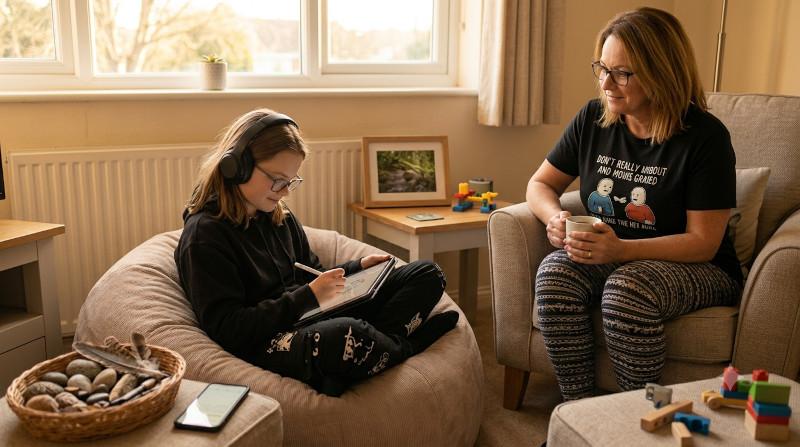
Healing Through Low-Demand Learning: How to Support a Burnt-Out Child
"Low-demand home education is an approach that removes the high-pressure expectations of traditional schooling - such as rigid timetables, forced testing, and strict curriculums - allowing a burnt-out child to heal, regulate their nervous system, and rediscover a natural love for learning."
- Claire, Plan-Ed
Deschooling burnout isn't just seeing them tired of studying or needing a weekend off. It looks like a complete, full-body system crash happening right in front of you.
Watching your child's spark completely fade out is heartbreaking; you can almost see the physical wall standing between their brain and the page. Our daughter would cry and shake on the kitchen floor after a normal school day for up to an hour. With her nervous system totally frayed and executive dysfunction in overdrive, even the tiniest daily demands suddenly feel insurmountable and left her incredibly fragile.
Navigating the landscape of deschooling UK regulations while seeing them this exhausted means realising their battery isn't just flat - it feels like the battery itself is damaged. While establishing a gentle visual routine can eventually help anchor their day, right now, they can't just "push through it." It becomes entirely about finding quiet and giving their mind the absolute rest and safety it needs to genuinely repair.
Why replicating "school" makes burnout worse
When a child is in burnout, trying to bring the traditional classroom into the home is a recipe for disaster. Replicating school just replicates the pressure. It signals to their brain that the demands haven't stopped, which keeps them locked in a state of fight, flight, or freeze. We learned this the hard way. True recovery requires completely lifting those expectations so their brain can actually feel safe enough to rest, reset, and eventually become curious again.
Low-demand home education ideas to start with
When capacity drops to absolute zero, learning has to look entirely different. It's about strewing invitations rather than setting assignments.
Immersive Media
Watching atmospheric, character-driven shows, films, or documentaries together without asking them to summarise what they learned afterward.
Audio and Tactile Play
Listening to audiobooks or podcasts while doing something low-pressure with their hands - like doodling, building, or fiddling with crafts.
Nature and Movement
Just being outside. Going for a quiet walk and taking photographs of things that bring joy to them. Sitting in a garden or outdoor space without any "educational" agenda attached.
Life Rhythms
Cooking together, baking, or just navigating daily routines at their own slow pace.
How to track evidence when you are "low-demand"
One of the biggest worries is how to prove learning is happening when it doesn't look like traditional schoolwork. The trick is observing the natural learning that happens every single day. Did they ask a question about how a game mechanic works? Did they measure ingredients for a snack? Did they help fix something around the house? It all counts.
The best way to manage this without adding pressure to yourself or to them is to log these moments digitally as they happen. Snapping a quick photo or dropping a note directly into Plan-Ed to collect your 'evidence' on your phone makes it incredibly easy to build up that portfolio organically. It takes the weight off, so you aren't frantically trying to remember what you did at the end of the month.
Finding YOUR calm
Supporting a child through a full-system crash is intensely draining, and you cannot pour from an empty cup. You have to find ways to regulate your own nervous system so you can be their steady lighthouse.
That means stepping away when you need to and making time for the small things that ground you - whether that is putting on your favourite music to block out the noise for a bit, enjoying a quiet hot drink alone, or just taking a breath. Lean heavily on your support system to share the emotional load. Finding and protecting your own calm is exactly what creates the safe, steady environment your child needs to heal.
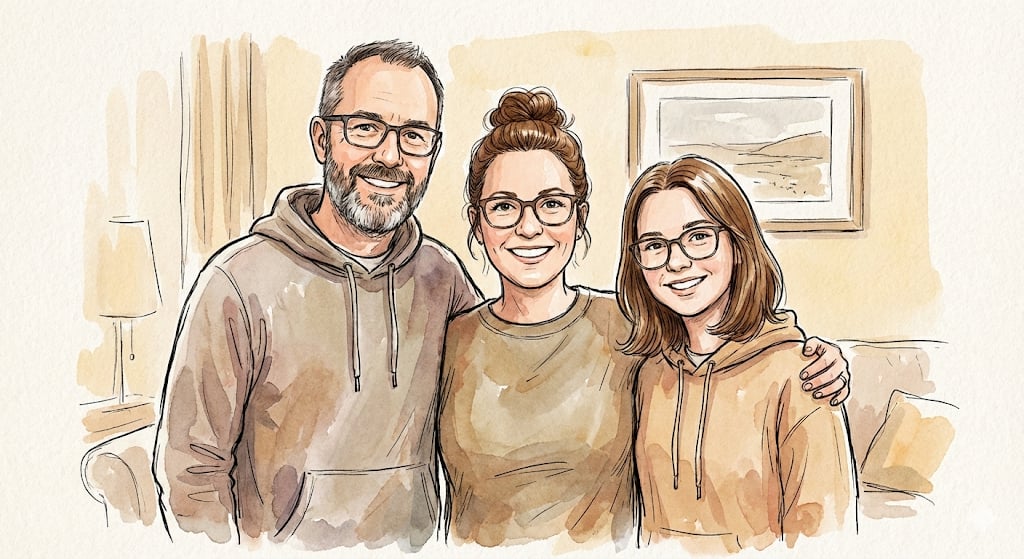
Written by a Home Ed Family
Building Plan-Ed to help our daughter navigate her day. Join us to get early access to the tools we use.
Start your Free Trial today